


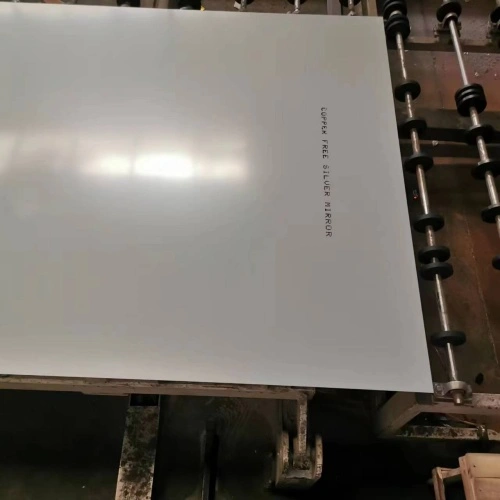
Copper and Lead Free Mirror
LYD GLASS makes copper and lead free mirror for doors, windows and architectural interiors. Send size, thickness, edge work and quantity for a factory quote with export packing.
View productSpecifying clear laminated glass comes down to three decisions made before anyone can price the job: glass thickness, interlayer and edge finish. The same build-up logic decides how well laminated glass for pool fence panels keep their bonded shards in place around a family pool. This guide walks through the published thickness, interlayer and panel-size ranges, maps them to the duties they normally serve, and shows what to confirm before you send a specification for quotation.

Every value below is the published reference data for Clear Laminated Glass, item no. LYD-CLG. Each later module expands one row of this table.
| Product | Clear Laminated Glass — safety glass bonded from two or more glass layers with a PVB or EVA interlayer |
| Glass thickness | 3mm, 4mm, 5mm, 6mm, 8mm, 10mm, 12mm (description notes options from 3mm to 12mm or higher) |
| PVB interlayer thickness | 0.3mm, 0.38mm, 0.76mm, 1.14mm, 1.52mm |
| Edge processing | Seamed edge, round edge, flat edge |
| Minimum size | 100mm × 100mm |
| Maximum size | 3660mm × 2600mm |
| Port of loading | Xingang port |
| Package | Plywood crates |
| Item no. | LYD-CLG |
How to use this table: the interlayer thickness sits between two glass layers, so a laminate is ordered as three separate values — glass thickness, interlayer and edge work. Bring all three to the quote.
Build-ups are described here the way specifiers write them: glass + interlayer + glass, added up to a nominal total. Use the duty column as a starting point, then confirm the final build-up on your order.

| Typical configuration — confirm on order | Typical duty (guidance) |
|---|---|
| 3mm + 0.38mm + 3mm ≈ 6.38mm | Interior partitions, display cases and light screens where the panel stays out of reach |
| 4mm + 0.38mm + 4mm ≈ 8.38mm | Shopfronts, doors and internal glazing that still needs a slim sightline |
| 4mm + 0.76mm + 4mm ≈ 8.76mm | Balustrade infill and screens where a heavier interlayer is specified |
| 5mm + 0.76mm + 5mm ≈ 10.76mm | Balustrade panels and pool fence panels that face an open, accessible area |
| 6mm + 0.76mm + 6mm ≈ 12.76mm | Heavier screens, canopies and overhead glazing where larger panels are unavoidable |
Please note: these totals are arithmetic combinations of the published glass and interlayer thicknesses, not stocked catalogue items. Treat the duty column as guidance and confirm the exact build-up, edge work and panel size with the factory before you approve the drawing.
The interlayer is the layer that does the holding. Start from the priority that governs your opening, then take the confirmation question to the quote.
| Your priority | What the laminated build-up contributes | Confirm on your quote |
|---|---|---|
| Noise-sensitive location | The interlayer provides sound-dampening properties, which is why laminated glass suits noise-sensitive areas. | Which interlayer and interlayer thickness suits the acoustic target for the opening |
| Forced-entry resistance | Laminated glass is harder to break through than regular glass, and the interlayer retains the bonded shards when it does break. | Build-up and interlayer thickness for the opening, plus the fixing method |
| UV protection for interiors | Blocks up to 99% of ultraviolet rays, stated as validated through standardized tests. | Whether the test documentation can be issued for your market |
| Daylight and clarity | Clear glass offering high transparency and high light transmission. | Whether a clear interlayer or a tinted one better suits the scheme |
| Colour, tint or texture | Can be produced in various tints or with textured finishes. | Availability of the finish you want before you finalise the schedule |
| Custom sizing | Customizable in size and thickness; panels are cut between 100mm × 100mm and 3660mm × 2600mm. | Cut sizes, edge work and quantity in one list |
Interlayer options named on the product page: polyvinyl butyral (PVB) and ethylene-vinyl acetate (EVA). Other interlayer types are outside the published specification — ask the factory directly if your project names one.
Match the interlayer thickness to the duty you are specifying — for example a balustrade or pool fence panel is normally written with a heavier interlayer than an interior screen. The factory will confirm the build-up that fits your opening.
An audit of what the product page states, what each claim rests on, and how a specifier should treat it before it goes into a document.
| Claim on the product page | Basis stated | How to treat it |
|---|---|---|
| The interlayer holds the glass layers together when shattered and retains the bonded shards | Material property of the interlayer | Core product feature |
| Impact resistance, with compliance to international safety standards | Stated on the product page | Confirm documentation |
| Enhanced security — a barrier against forced entry | Property of the laminated build-up and the fixing | Confirm build-up |
| High clarity and high light transmission | Clear glass with a clear interlayer | Core product feature |
| Sound insulation for noise-sensitive areas | Sound-dampening properties of the interlayer | Depends on build-up |
| Blocks up to 99% of ultraviolet rays | Stated as validated through standardized tests | Confirm test document |
| Energy efficiency when combined with a Low-E coating | A system combination, not the laminate alone | System-dependent |
| Thermal and moisture performance | Depends on correct installation | Installation-dependent |
Reading the badges: a core product feature is inherent to the material. Anything marked “confirm” needs a written record, the ordered build-up or the site conditions before it can be relied on. Numbers that depend on installation or on a second product in the build should never be quoted as a laminate-only figure.
The build-up is the same product everywhere; the paperwork and the practical details around it change with the destination. Work down your own region row before you approve anything.
| Destination | Confirm before ordering | Ask the factory for |
|---|---|---|
| Australia & New Zealand | The safety glazing documentation your certifier or principal requires, and the edge finish your balustrade or fence system accepts. | Product data for the ordered build-up, safety test documentation where available, and the packing and loading summary |
| North America | The laminated product data your specifier needs, and whether the opening is assessed as safety glazing. | Product data for the ordered build-up, test documentation where available, and the packing list |
| Europe & UK | What the project file needs alongside the test record, and the edge finish your framing system expects. | Product data for the ordered build-up, test documentation where available, and a written record of the supplied build-up |
| Middle East | How the panels will be packed and stored through hot, humid transit and site storage before installation. | Packing specification, loading summary and product data for the ordered build-up |
The product page states that the glass complies with international safety standards. Standards are applied differently in each market, so always ask which document can be issued for your destination and confirm it before you approve the build-up.
Edge treatment is the detail that decides whether a panel drops into your framing on site. It is ordered at the same time as the thickness and the interlayer, not afterwards.
Seamed edge, round edge and flat edge. The product page notes that edge treatments ensure compatibility with various framing and installation methods — so the finish is chosen against the frame, not the other way around.
Custom panels are cut between a minimum of 100mm × 100mm and a maximum of 3660mm × 2600mm. Anything outside that range needs a direct conversation with the factory before it goes into a schedule.
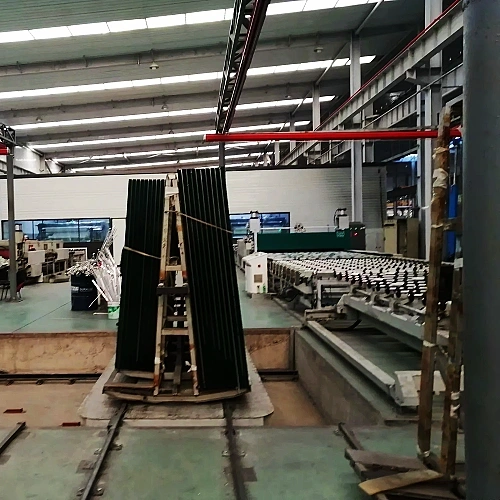
Because every panel is cut to order, the edge finish, the cut size and the packing method belong on the same document. Panels are supplied in plywood crates and load at Xingang port; ask for the packing specification to be included with your quotation.
Five common settings, each matched to the product fact that governs it and the decision that has to be settled before the order is placed.
Product factClear glass offering high transparency and high light transmission, cut to size within the published range.
Buyer decisionChoose the lightest build-up in the selector table and a seamed edge that suits a standard partition frame.
Product factThe interlayer retains bonded shards if the glass breaks, which is why laminated glass is used where people pass close to the pane.
Buyer decisionConfirm the door glazing documentation your certifier requires, and the edge finish the door stile accepts.
Product factCustomizable in size and thickness, with a heavier interlayer option for panels specified at guard height.
Buyer decisionSettle the panel build-up and the edge finish against the post or shoe system, then confirm the fixing method on the quote.
Product factThe interlayer keeps the glass layers bonded even when shattered, so a broken panel stays in one piece rather than falling away.
Buyer decisionCheck the pool barrier rules that apply where you are building, then confirm panel size, edge finish and fixing with the factory before ordering.
Product factCustom panels up to 3660mm × 2600mm, with heavier glass and interlayer combinations available.
Buyer decisionHave the structural design signed off separately, and treat this guide only as the glass build-up discussion to bring to the factory.
Product factThe glass can be produced in various tints or with textured finishes.
Buyer decisionConfirm availability of the finish before it is written into a schedule, and order a sample panel with your first quotation.
This section describes how the glass is normally specified; it is not structural or engineering advice for a specific project. Load, fixing and barrier compliance stay with your engineer and your local authority.
There is no online checkout for this product. A factory quotation is built from your cut list and the export packing you need, so the more complete the list, the faster the answer. Custom sizes, tints and textured finishes are all quoted from the same enquiry.
Port of loading: Xingang port. Packing: plywood crates. Item no. LYD-CLG.
Keep adjacent product options together for a faster catalog comparison.
LYD GLASS makes copper and lead free mirror for doors, windows and architectural interiors. Send size, thickness, edge work and quantity for a factory quote with export packing.
View product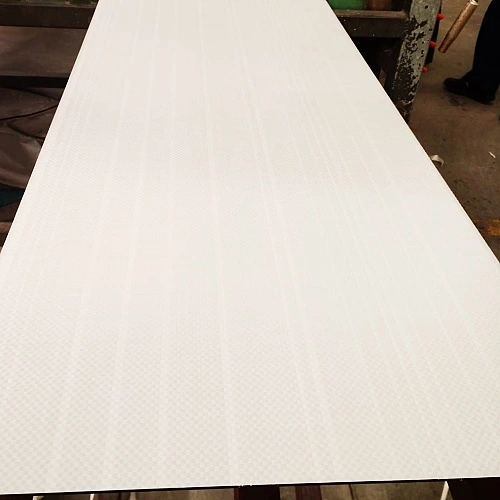
LYD GLASS makes safety backed glass mirrors for doors, windows and architectural interiors. Send size, thickness, edge work and quantity for a factory quote with export packing.
View product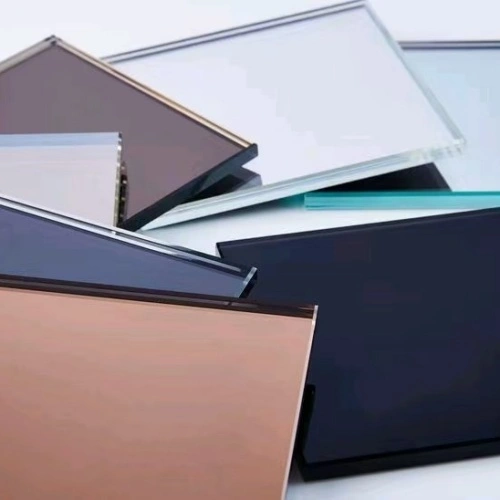
LYD GLASS makes silver mirror glass for doors, windows and architectural interiors. Send size, thickness, edge work and quantity for a factory quote with export packing.
View productit is a safety glass made from two or more layers of glass bonded together by an interlayer, typically polyvinyl butyral (pvb) or ethylene-vinyl acetate (eva). the interlayer keeps the layers together and retains the bonded shards if the glass breaks. the product is listed as item no. lyd-clg.
glass thickness options are 3mm, 4mm, 5mm, 6mm, 8mm, 10mm and 12mm, with the description noting options from 3mm to 12mm or higher. the listed pvb interlayer thicknesses are 0.3mm, 0.38mm, 0.76mm, 1.14mm and 1.52mm.
the minimum size is 100mm × 100mm and the maximum size is 3660mm × 2600mm. panels are cut to your dimensions within that range, so a cut list is the fastest way to get a quote.
seamed edge, round edge and flat edge. edge treatments are chosen for compatibility with different framing and installation methods, so confirm the finish your framing system needs when you request your quote.
the interlayer keeps the glass layers bonded and retains the shards if a panel is broken, which is why laminated glass is often specified around pools. pool barrier rules differ by region, so confirm the local safety glazing requirements with your certifier, and confirm panel size, edge finish and the fixing method with the factory before ordering.
send size, thickness, edge work and quantity for a factory quote with export packing. panels are supplied in plywood crates and the port of loading is xingang port.
